TO BE DETERMINED: PRESTON CROWDER
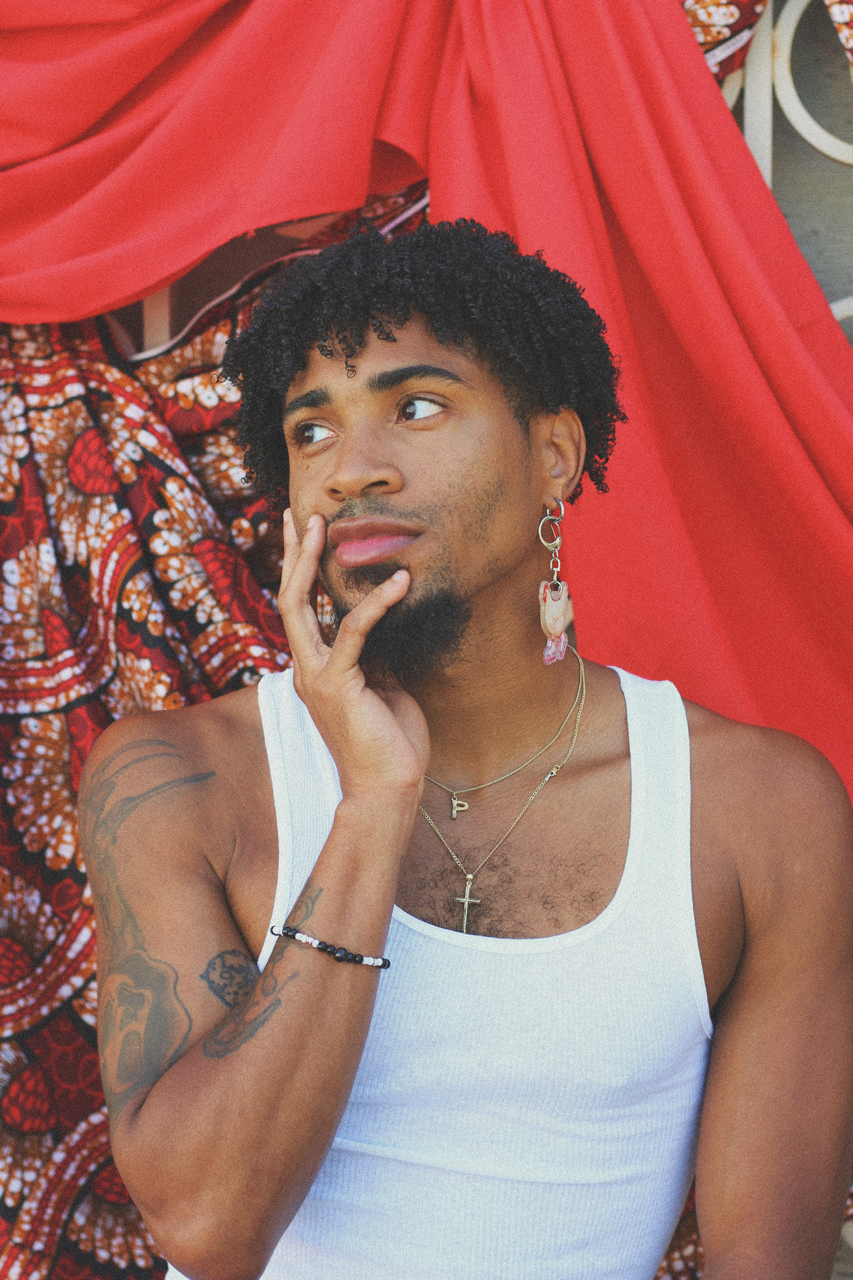
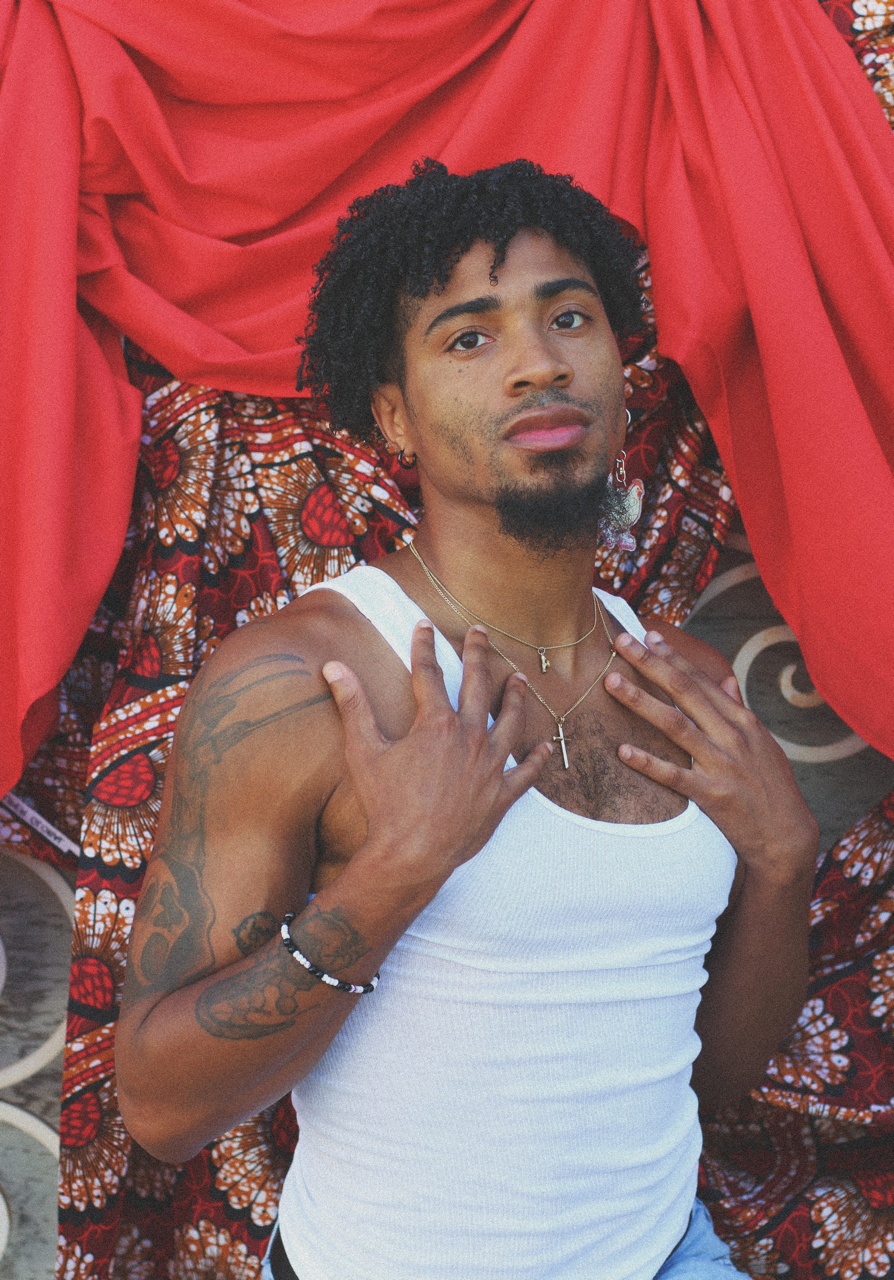
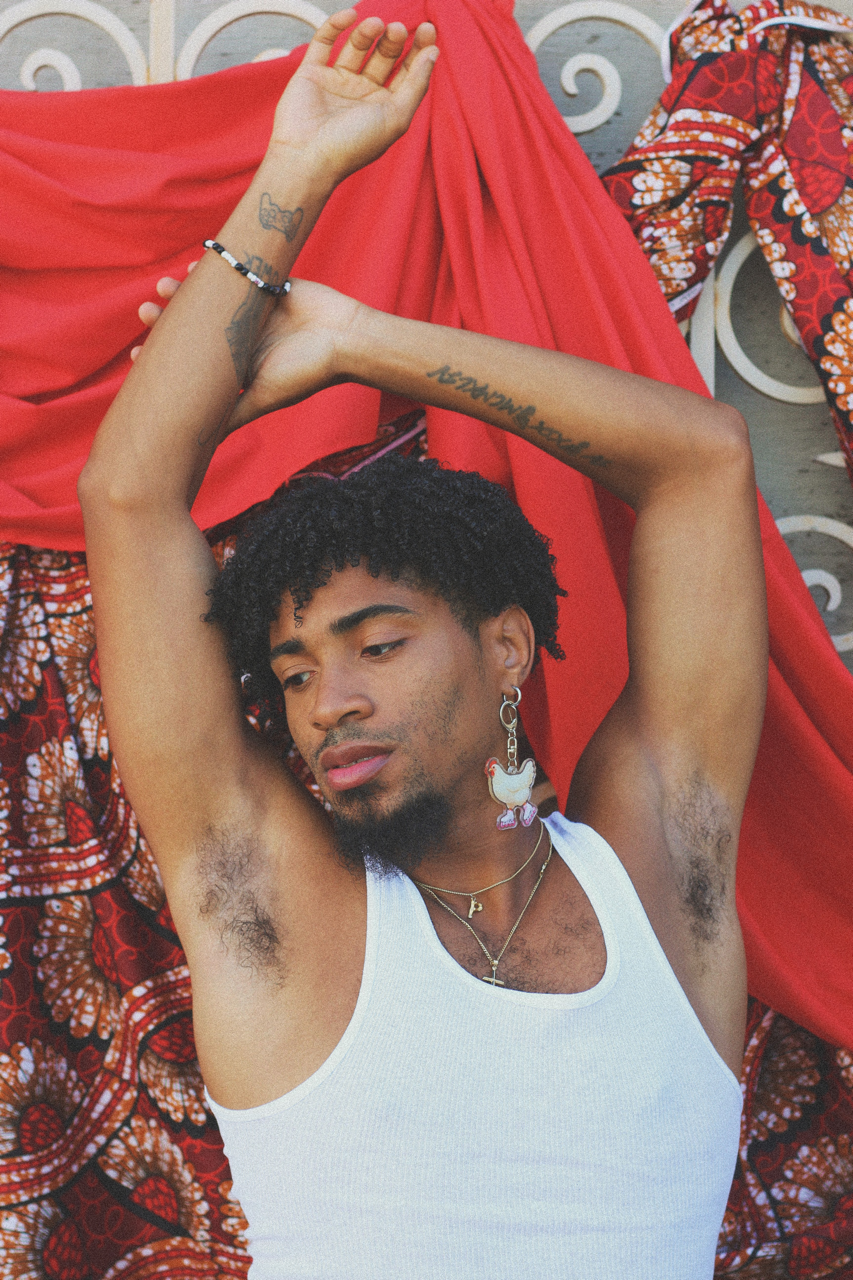
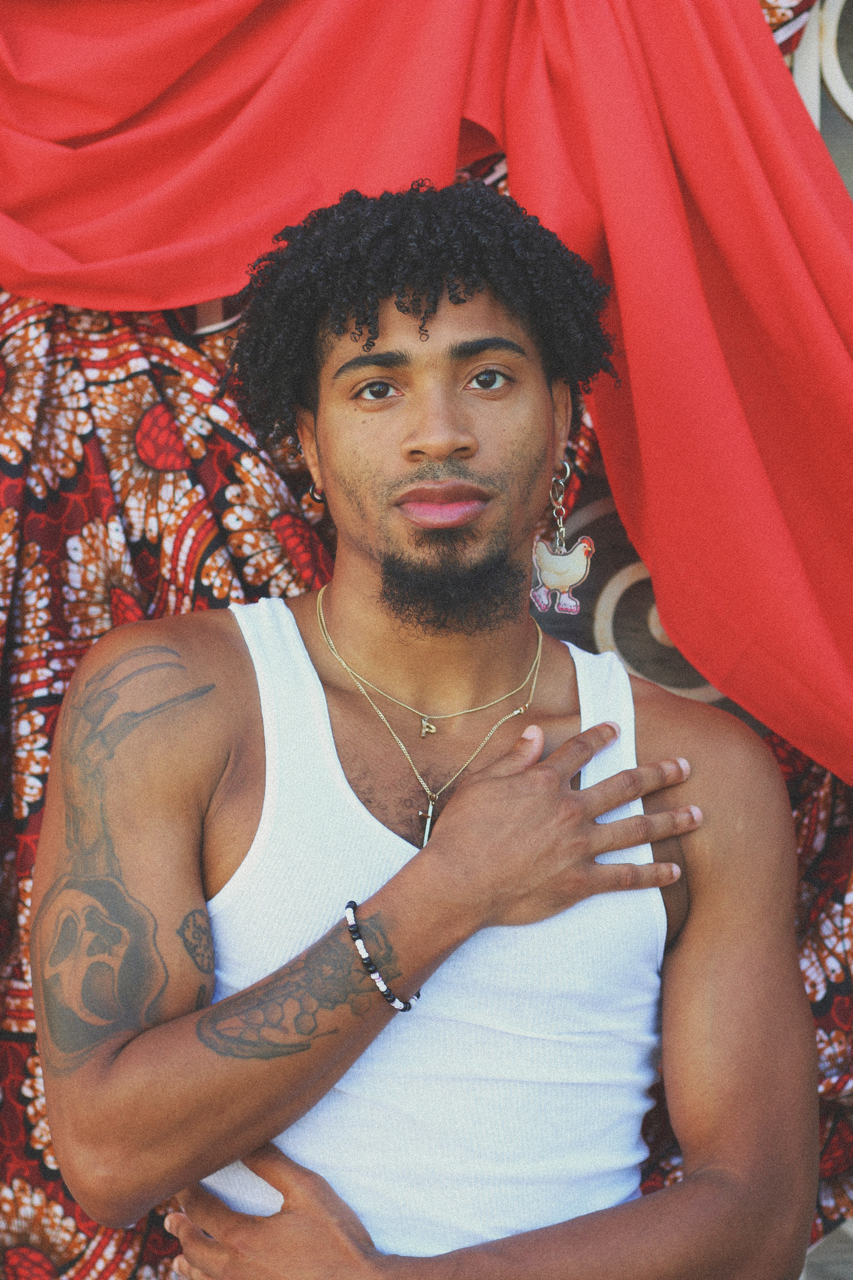
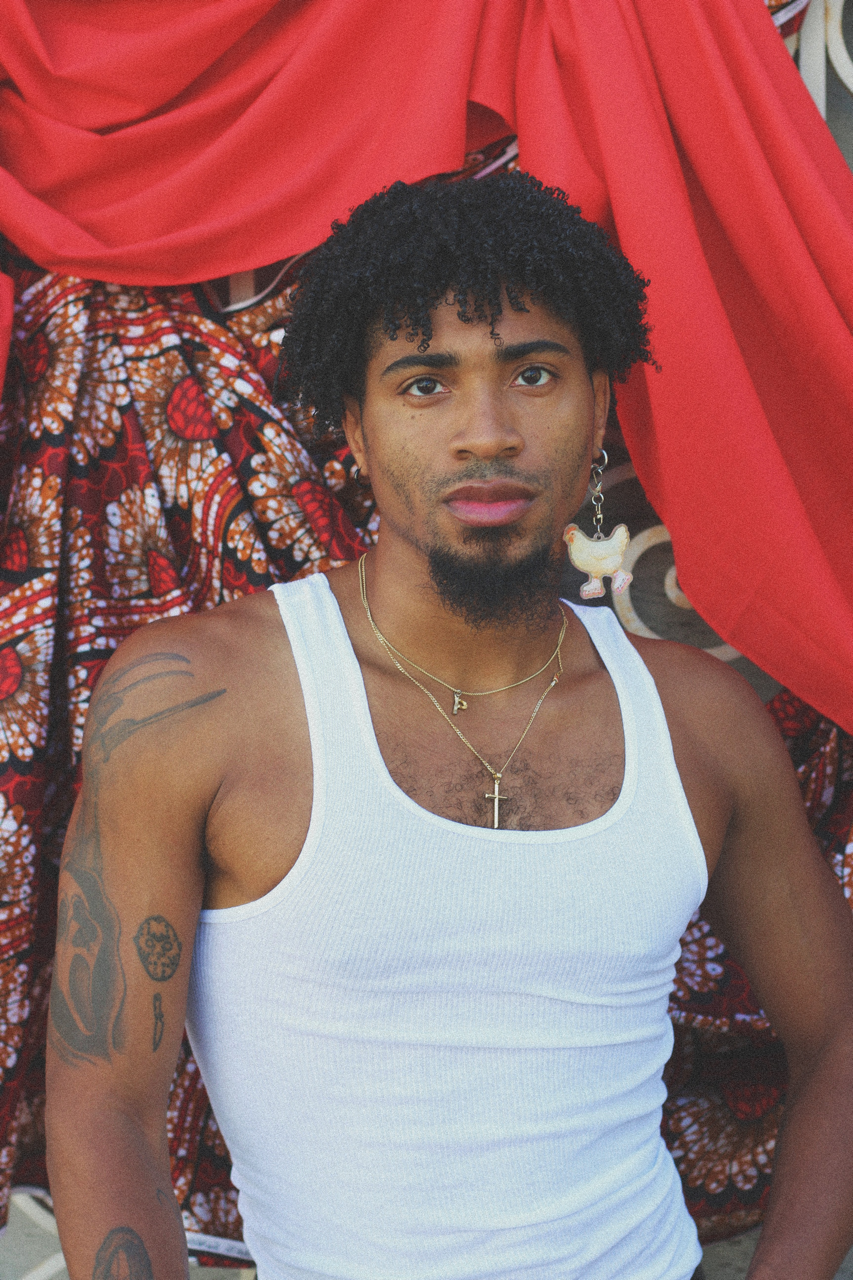
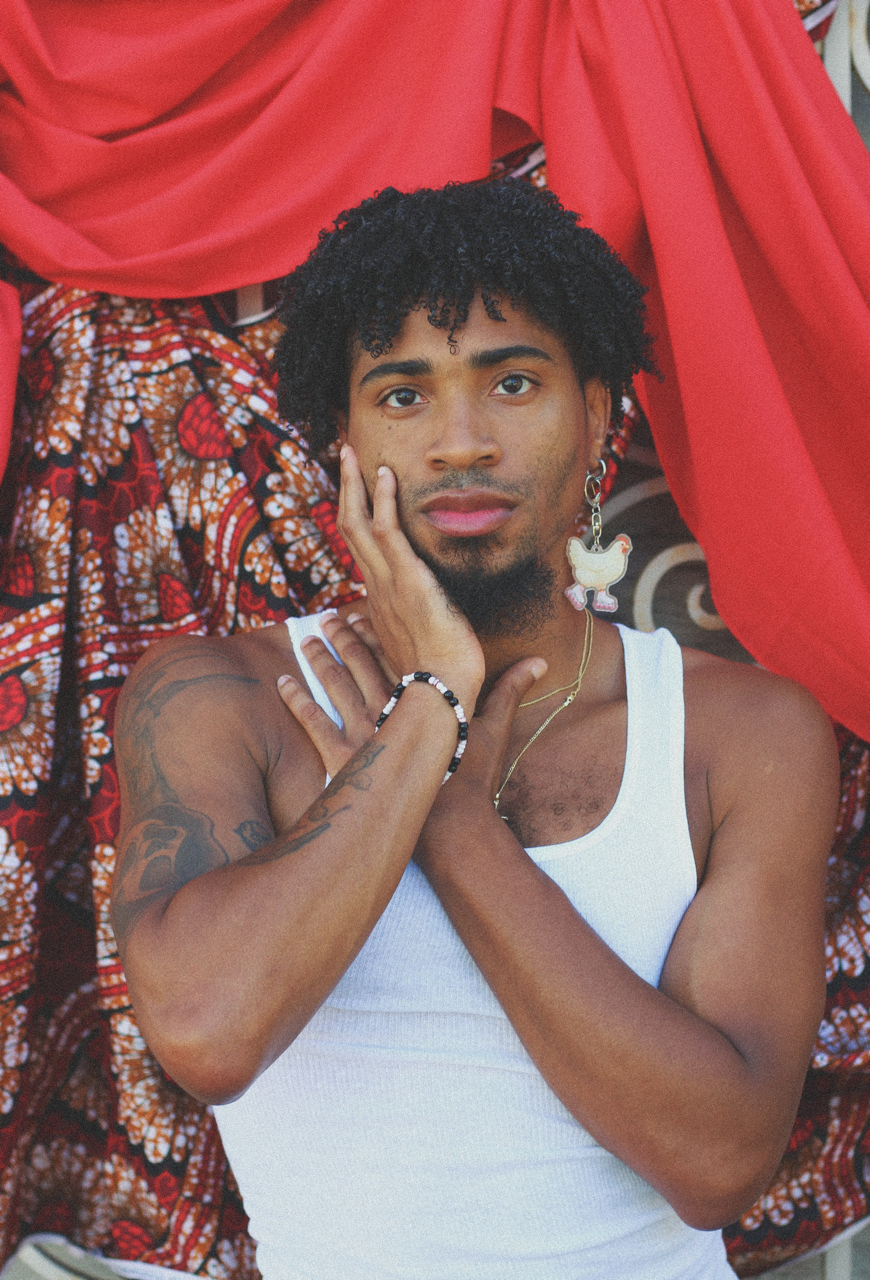
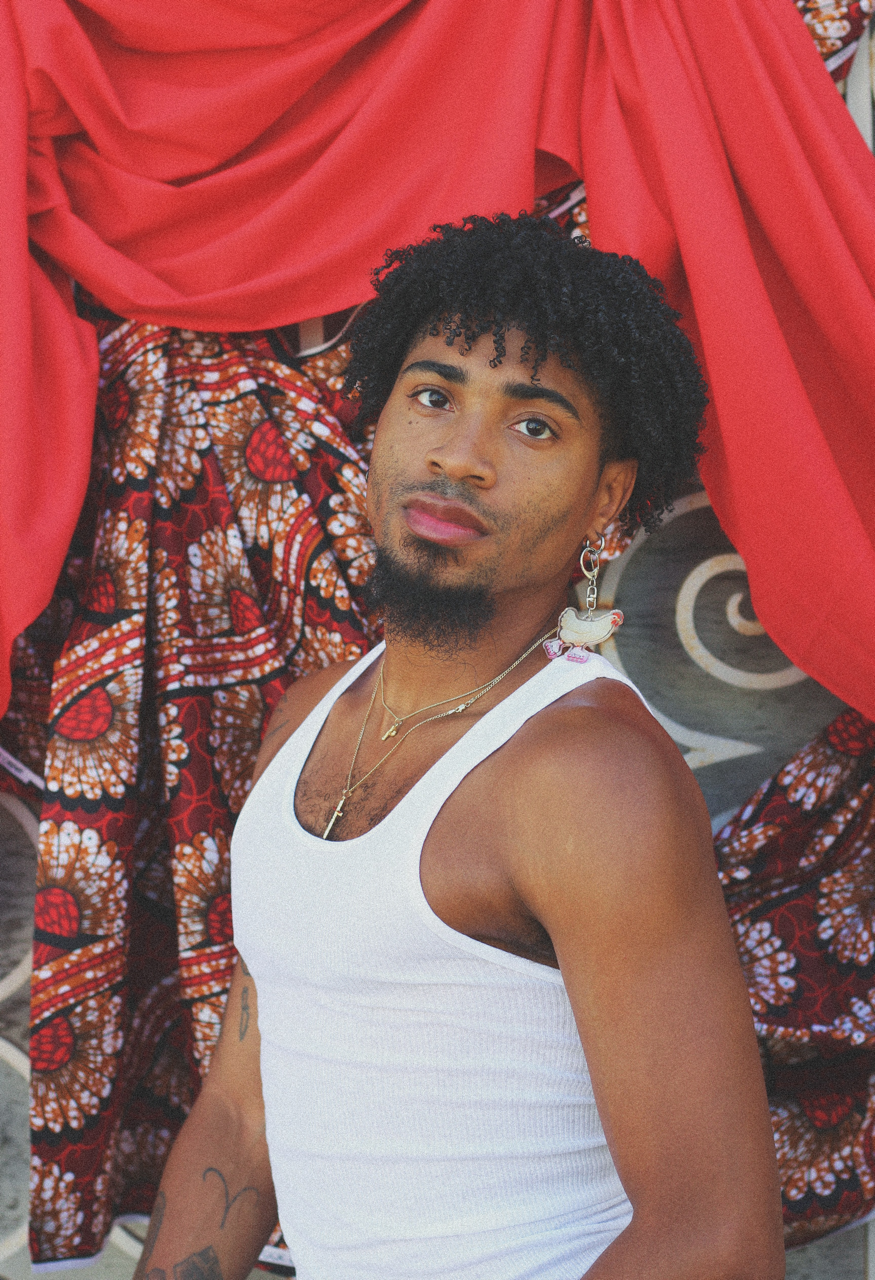
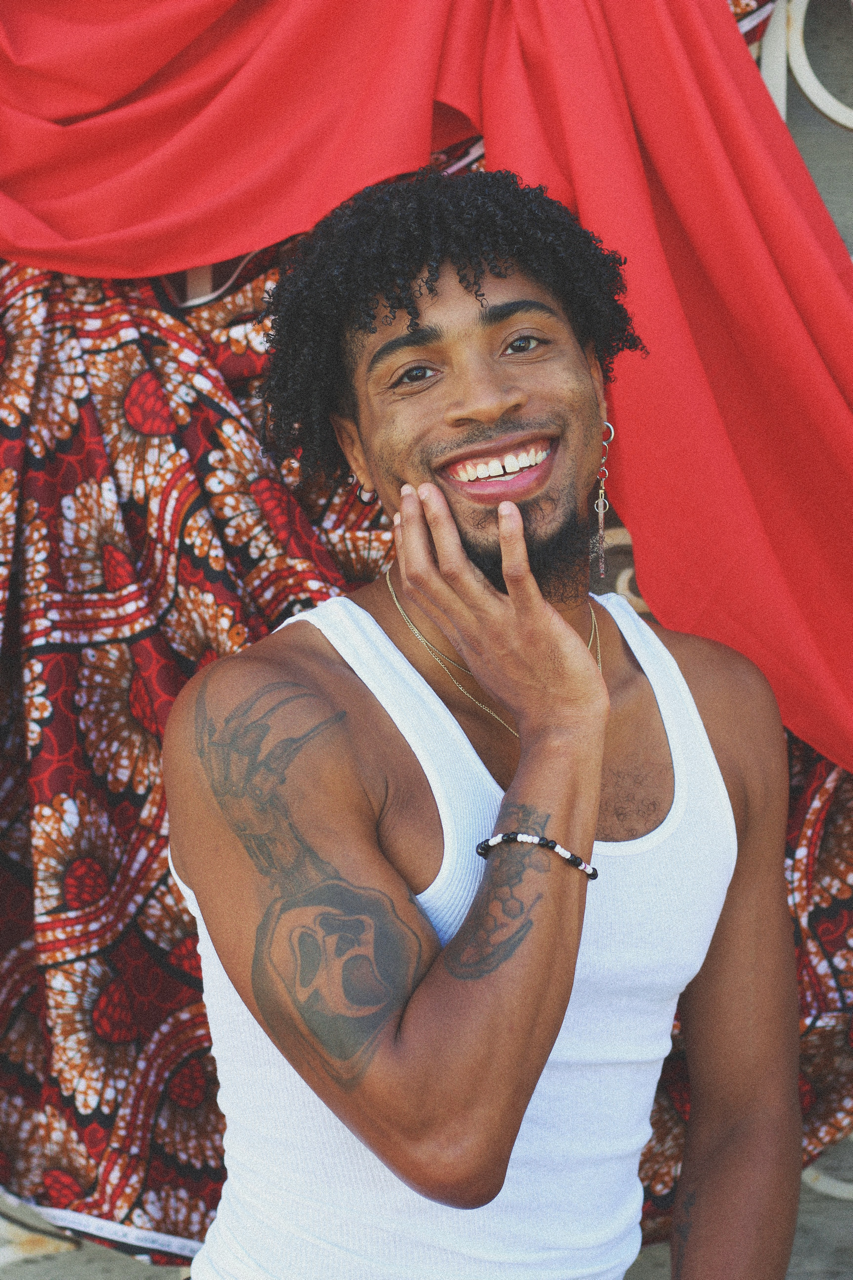
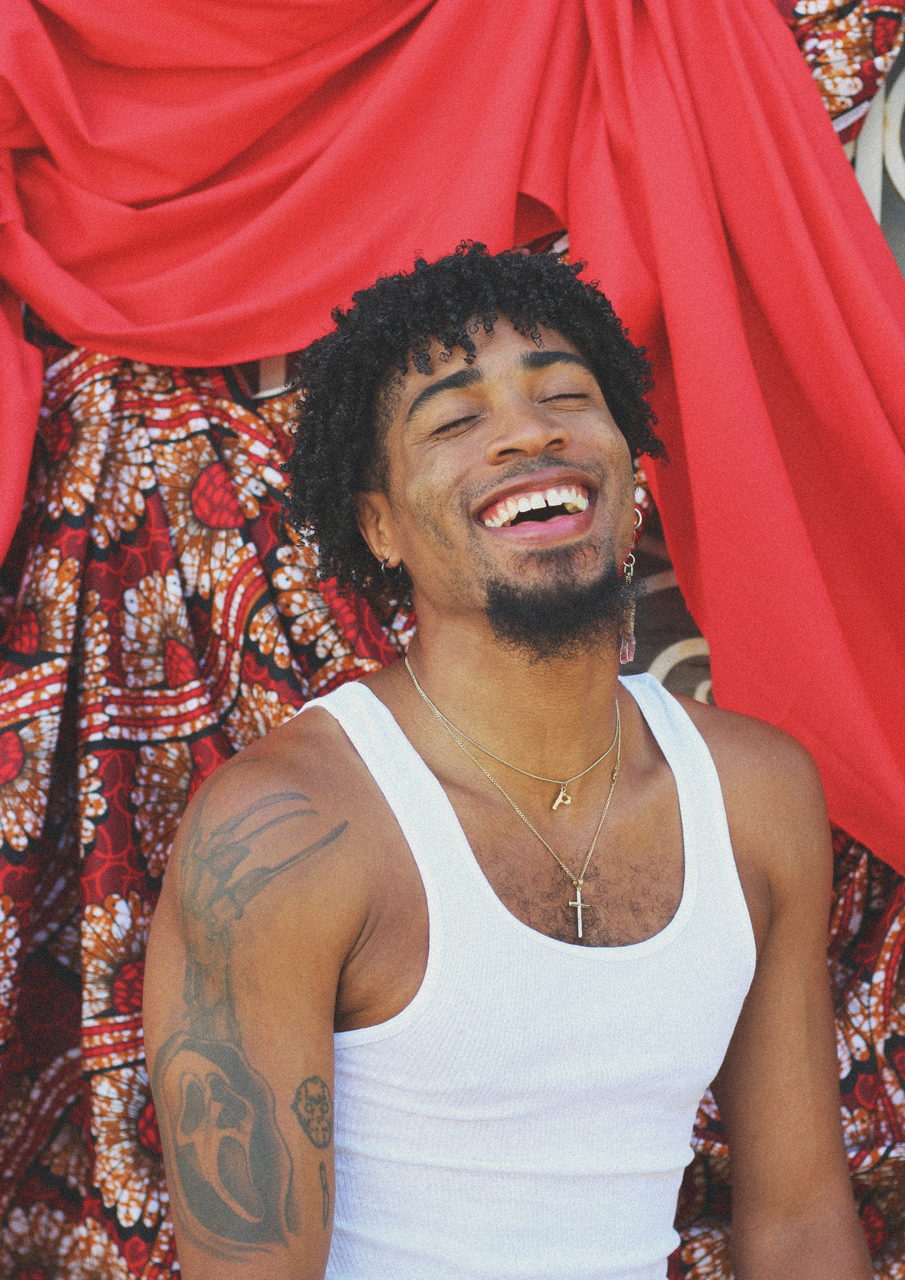
Photos by Morgan Davis
Preston Crowder
NY-Based Black Queer Artist
Pronouns: he, she, they, baddie
Preston Crowder is a NY-based Black Queer artist born and raised in Nashville, TN. As a playwright, actor, director, and songwriter, Preston intertwines their vast talent for storytelling with their intersections as a Black Queer person. They most recently had the world premiere of their powerful and thought-provoking play BOCKING at Baltimore Center Stage, written by Preston Crowder, directed by Stevie Walker-Webb, and with Lena Waithe serving as presenting producer.
Their work also includes productions like Don’t Look Black (Tennessee Playwrights Studio, 2022), Break Your Chains (Juilliard School, 2017), and Flames (University School of Nashville, 2016). They’ve also acted in Is God Is (Scotch, The New School), Night Into Morning (Xavier, Short Film), Maidens (Figure 3, Tennessee Playwrights Studio), Sweat (Chris Humanity Theater Project) and Clybourne Park (Kevin/Albert, Circle Players). Directing credits include Night Into Morning (Short Film) and Detroit ‘67 (Assistant Director, Karamu House).
Preston has an MFA from The New School of Drama and a BFA from Oberlin College — where they’re also a visiting Professor of Theater and Africana Studies. They are also a past fellow for the Tennessee Playwrights Studio (2020).
M: As a playwright-actor-director-songwriter, how do the intersections of being Black and Queer show up through your work, and in what ways do you use those intersections as an opportunity to transcend, interact, and/or critique how we as Black Queer folks are perceived — especially in this current climate?
P: I think my approach … the foundation of my work is Black and Queerness. What that means for me is simply taking, thinking about works that I feel are inherently Black, and taking the aesthetics, the language, the cultures that we find within multiple Black cultures, right, and finding ways to cook them into my work.
And how they also intersect with Queerness in the sense of, like, when I think about queerness, I think of it as, like, you know, the identity as well, but also think about it as something that's outside of the social norm.
So I often think about Blackness as Queerness because we exist outside of what this country has often said is like the norm, right?
We push, we have our own fashions, we have our own styles, we have our own language. And I think to me, there's a queerness in that it's hard for me to oftentimes separate the two, especially as a Black Queer person.
That intersection is so important, and it's so important in my work to talk about it and to normalize it.
I think with BOCKING, my main thing was to normalize queer intimacy and also expand the idea of what that looks like, particularly in queer relationships, but also in heterosexual relationships. I think queerness finds its way into a lot of pockets that people don't think about.
And so it's just important for me always to like explore that, and also use a Southern lens on it. Cause I am from the South. And so what does that also look like when you put that element onto Blackness, Queerness? Because they also intersect with Southern identity.
P: So this is more so with the show … but the character Donna Lanna Parmigiana in the play, she finds her husband having sex with a chicken, and it destroys her whole world, and then she tries to turn herself into a chicken, and what I love about that, and I don't get to speak a lot about that, but what I love about it is that I think it shows how Black people, especially Black Queer people, will have to transform themselves in a lot of ways just to get the love that they want.
We live in a world that tells us we should be ashamed of ourselves — we get messaging all the time that your lifestyle is bad or whatever it may be from the voices, and so what I love about Donna Lanna’s story is that she does turn herself into a chicken, but not for the fun of it; she's trying to get love.
She's trying to find a love that she always wanted, and I hope through Donna Lanna I can tell people, look, you don’t gotta turn yourself into a chicken just to get somebody to love you. You know what I’m saying?
Show up as yourself because when you do try to transform yourself just to receive love, you can cause a lot of damage.
M: I loved too with Sis’s character, Rita… because I loved also just seeing her, also as someone who is plus-size and Queer as well, like seeing her even in the dysfunctions of their dynamic, but seeing her being able to be loved out loud in that way, I think, was really beautiful.
P: Absolutely, and that's what I love that about Rita too. Me and Sis we worked because I didn't want this to be a play about a Black Trans woman, and have that be like, “the thing”.
So me and Sis we talked a lot; we had a lot of conversations about how to just make that character feel real and human and not center that aspect because we have a lot of stories around that, but I feel we have fewer stories of just seeing Black Trans people just exist — being in the complicated situation, you know what I’m saying without having to consistently comment on the fact that they're Trans.
M: BOCKING is such a witty and dynamic play, and the use of chickens throughout creates such an interesting layer that ebbs between being incredibly introspective, empathetic, and taboo all in one sitting — where did the use of chickens come from, and why?
P: It's so funny; I feel like this has been the most-asked question about the play… where the hell did you get the chickens from? Honestly, I, I'm not sure where the concept of the chickens came from as I was writing it.
But something that I talked to Lena Waithe about, and she brought to me, was that she found it interesting that it was a chicken. Obviously, given our history as Black people and the stereotype around us loving chicken and whatnot — which, you know, I do love me a good thigh… but I wasn't thinking about that.
It made me reflect back on the work and think about how I was using tropes and stereotypes within my work. Some of my favorite artists are the Wayans family, Robert O'Hara — you know, we got like Mad TV, In Living Color, Martin — these 90s, 2000s Black comedians who really knew how to take these tropes and these stereotypes and flip them and fucking blow them up to make them relatable to us and to make them feel new and fresh and not derogatory.
So in the play, I really tried to do that. And the idea of chicken for me also relates to, you know, being scared, you know, people be like, “Oh, you chicken, you scary”.
I think as Black people, we don't have the luxury of being chicken because we have to fight every day just to be seen as human. Oftentimes, especially being Black and Queer, it's like, God damn, we always having to fight. And so we don't have the luxury of being chicken.
That's really where the metaphor for that came from. But I also think it does speak to how the play uses tropes and stereotypes and caricature to make a point.
M: What drew you to have the world premiere for BOCKING take place in Baltimore?
P: So Stevie Walker Webb, who is the artistic director of the Baltimore Center Stage; he's been on this show, which was my thesis for my master’s program, since 2022.
When he became the artistic director the year after we connected, he said: “We’re going to program this at Baltimore Center Stage”. It took some time. I was like, “Boy, you lying”…… it's not coming, but you know, eventually it lined up to where we could do it. It wasn't necessarily something that I had planned for, but I'm so fucking happy that this is the first home.
I knew that I wanted to speak to obviously Black audiences as a Black artist. Baltimore is such a Black city — and I've had a lot of Black audience members who have come up and said I don't really see theater because I don't really find shows that speak to me or my experience.
So to bring it here to Baltimore and have audiences say that to me, especially Black audience members, it's just been more than I could ever dream of.
And Baltimore really is doing something special in the art scene. Like I can't even put my finger on it, but it's something percolating here — so I just feel excited and honored to be part of that. And I can't wait to continue to see how Baltimore centers itself as a hub for art, especially Black art.
M: Throughout your career thus far, how has your artistic voice grown — and are there any pivotal/particular moments that have helped shape it?
P: Well, I've always considered myself like a provocateur of sorts. I used to write these comics for my parents using our paper towels, which my mom used to be so fucking mad; she was like, “Stop using our fucking paper towels to write these comics” — but I used to write this comic called Mr Pee Pee Man, which was about this superhero whose superpower was pissing on people, and they would melt to the ground, and that's how he would save the day.
For the longest time, I just used to always write crazy shit like that and kind of dark stuff too, and people used to be like, “Wow, you're really dark”. I used to run away from that because people would make me feel bad about it.
I had a teacher — whom I wrote a short story for one time — she gave it back to me; she said I can't grade this. She said it's too much basically, and so I used to be very afraid of pushing the envelope, even though that's what felt like natural to me.
I remember I had one teacher; her name was Katherine Coke, rest in peace. She told me one day she was like, “If that's what you feel like, use that because that could be your superpower”.
From that moment forward, I just sort of started leaning more into it, and then, you know, every time I wrote a play it was like, " Oh, this is getting a little crazier; this is getting crazier”, and eventually I did realize, yeah, that's my superpower: to be able to tell wild stories, be provocative while baking in the heart and the messaging that I really want to say.
So I think over the years I’ve just gotten more comfortable with my voice and my crazy mind up here, and allowing it to be free and not censor myself as much, which has freed me as a creative in so many ways.
M: My last question is: what’s next for you? What are you looking forward to, even if it's outside of career things — like a trip or anything of that nature?
P: I think I’m just looking forward to figuring out what's next. This was such a big moment for me to be here in Baltimore, to do this show, and before I got here, I didn't know what was going on, and I’m leaving here not knowing what's going on, but I’m just excited to see what comes out of this experience, and also just continue to live life — because that's what being an artist is, right?
Being an artist is being of the world, looking around you and seeing what the fuck is happening, talking to your community, being in community with people; that’s what being an artist is. That's how you get your ideas, that's how you get your energy, and so I just look forward to more of that and seeing wherever the hell that takes me.
M: I’m excited, truly BOCKING, as someone who has always enjoyed things that are slightly outside of the norm, so to speak, or maybe a little bit taboo. I felt very inspired, seeing that. I think similarly, I’m kind of figuring out where, what I’m doing so being able to see creatives like you, other Black creatives, just be completely themselves, however that looks, I think is very inspiring, so thank you.